
Puretone Hearing Clinic — Registered Audiologists in Surrey and Vancouver

Hearing Aids in White Rock & South Surrey

You are out for lunch and keep losing the conversation when everyone starts talking. By the time you get home, listening feels like hard work.

If you are looking for hearing aids in White Rock or South Surrey, start with a hearing test. At our 16 Avenue hearing clinic, a Registered Audiologist explains your results before recommending what to do.

We discuss the conversations you want to follow, what you find difficult and any concerns about cost or wearing hearing aids. If hearing aids could help, we compare suitable options and explain the fitting and follow-up care.
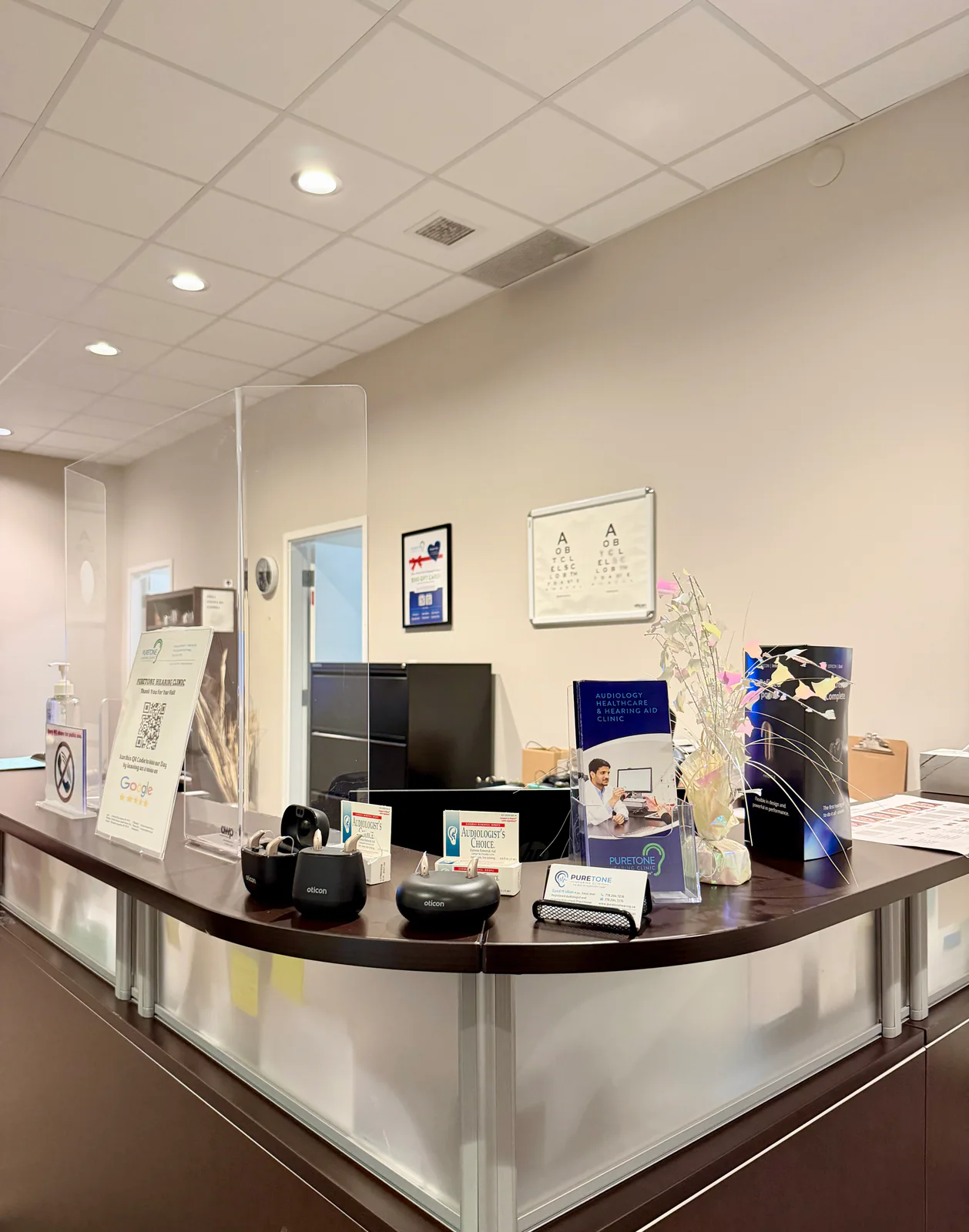
  • Registered Audiologists
  • Hearing Aids
  • Real-Ear Measurement
  • White Rock and South Surrey
Reception counter at Puretone Hearing Clinic in White Rock / South Surrey.

When Should You Ask About Hearing Aids?

A hearing test is a useful starting point if you recognize any of these changes or want advice before choosing hearing aids:

  • You are exploring hearing aids for the first time
  • Conversations feel less clear in restaurants or group settings
  • Group conversations leave you more tired than before
  • Tinnitus or ringing may be part of the picture
  • Background noise has become harder to manage
  • You want hearing aids fitted by a Registered Audiologist
  • Your current hearing aids are not helping enough
  • You are helping a parent or spouse take the next step
  • You want a proper explanation before making a major hearing-aid decision
Bring the questions you want answered, along with any hearing aids you already use.

What Should You Expect From Your Audiologist?

You should understand why a hearing aid is being recommended and what it is likely to help with. Ask how the options differ and whether a feature is worth its extra cost for you.

Puretone is an independent, Audiologist-owned hearing clinic. We compare suitable options from more than one manufacturer, considering your hearing, ear shape, sound preferences and daily routine.

Comfort and handling matter alongside sound. A smaller device may appeal to you, but it also needs to be easy enough to put in, remove and manage. We discuss those trade-offs before you decide.

Which Hearing-Aid Features Would You Use?

The right hearing aid should support the places where you actually want to hear better, not just make everything louder.

Better Hearing in Background Noise

Hearing aids can help you follow conversation in background noise, but they will not make a busy restaurant quiet. Explain where you struggle most so your Audiologist can discuss suitable features and their limits.

Rechargeable Hearing Aids for Easier Daily Use

Rechargeable hearing aids remove the need to change tiny disposable batteries. You still need to charge them regularly. Consider whether the charger is easy to use and fits your daily routine.

Discreet and Custom Hearing Aids

If appearance, comfort, or physical fit matters, discreet styles and Custom Hearing Aids may be worth discussing after your hearing test. Your Audiologist will explain what is realistic based on your hearing profile and ear shape.

Bluetooth Hearing Aids for Calls and Television

Compatible hearing aids can receive calls and audio from your phone. Connecting to a television may require a separate accessory. We help you check compatibility before choosing.

Smart Hearing Aids for More Demanding Listening

Sound processing can adjust to changing listening conditions. Ask what a feature could do for your particular difficulties, rather than choosing a higher technology level on its name alone.
The right technology should make everyday communication easier, not more complicated.

Can Hearing Aids Help When You Also Have Tinnitus?

Ringing or buzzing can be especially noticeable when the room is quiet. If you also have trouble following conversation, mention both concerns at your hearing assessment.

When tinnitus occurs with hearing loss, hearing aids may make outside sounds easier to hear and the tinnitus less noticeable. They are not a tinnitus cure, and the effect varies from person to person.

Tell your Audiologist when the sound bothers you and whether it affects sleep or concentration. That helps guide the discussion about hearing aids and any further support you may need. The aim is a practical plan, with a clear explanation of what hearing aids can and cannot do.

What Happens When You Get Hearing Aids?

The recommendation follows your assessment. Here is how we move from your hearing results to a fitting you can try in daily life.
01

Hearing Test and Conversation

Your Audiologist begins with a Hearing Test and a conversation about the situations where listening has become harder. This might include restaurants, family gatherings, phone calls, or places with background noise. We’ll also discuss ringing or buzzing in your ears if that’s something you’re experiencing.
02

Compare Suitable Hearing Aids

If hearing aids are right for you, your Audiologist will explain options that suit your hearing and everyday life. We’ll consider where you need to hear better, what feels comfortable, which styles you prefer, and how easy the hearing aids are for you to handle and use.
03

Real-Ear Measurement

A thin, soft tube beside the hearing aid measures the sound delivered in your ear while test sounds play. This check, called Real-Ear Measurement, helps your Audiologist adjust the fitting to your hearing needs.
04

Follow-Up and Fine-Tuning

Your hearing care doesn’t end when you receive your hearing aids. We continue checking and adjusting them as you get used to wearing them, with ongoing support for everyday conversations, restaurants, family gatherings, and other situations that matter to you.
Ask how the fitting will be checked and what follow-up is included before you decide.

What Support Comes After the Fitting?

Ask which services are included in your hearing-aid plan and whether anything carries a separate charge. Support can cover:

  • Follow-up adjustments and fine-tuning
  • Counselling and practical guidance as you adapt
  • Help with comfort, clarity, rechargeable systems, Bluetooth, phone calls, television listening, charging, and daily handling
  • Support for restaurants, group conversation, social outings, and listening fatigue
  • Tinnitus-aware follow-up where hearing loss and tinnitus overlap
  • Ongoing review as hearing changes over time
  • Repair-versus-upgrade guidance when needed

Bring specific examples to follow-up. Was speech too sharp, was a phone call unclear, or did a hearing aid feel uncomfortable? Those details help us decide what to check.
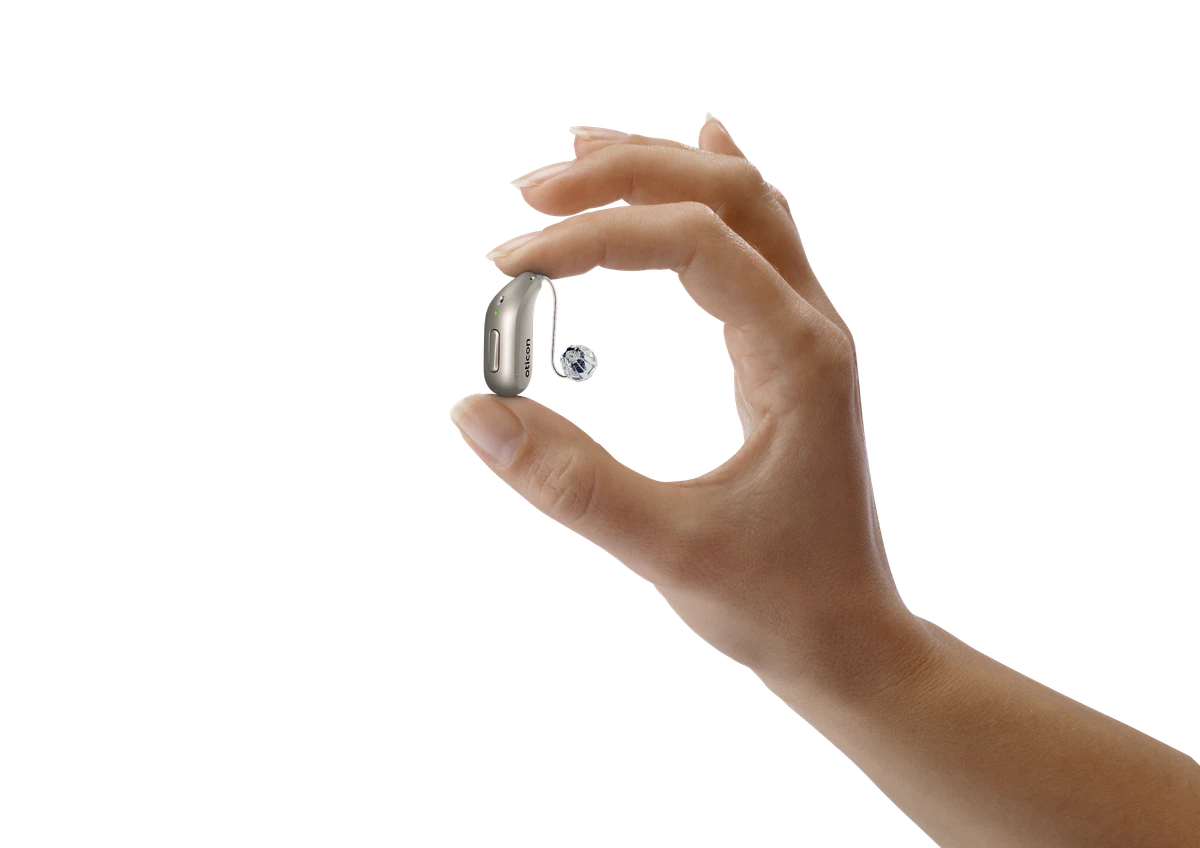
A hand holding a small hearing aid between two fingers.

What If Your Hearing Aids Are Not Helping Enough?

Before replacing hearing aids, it is worth finding out what has changed. Tell us whether the difficulty is sound, comfort, phone connections or something else.

A review considers your hearing, ear health, device condition and fitting. Cleaning, adjustment, reprogramming or repair may be worth considering before an upgrade.

Financial Accessibility for Hearing Aids in White Rock and South Surrey

Hearing aids are a significant expense. Ask for the full cost and what the recommendation includes, from fitting to follow-up care.

We help you understand insurance options, extended health benefits, Health Spending Accounts where relevant, and direct billing where available.

We also offer 0% financing. Terms and conditions apply. Please speak with our team to discuss the available financing options and details.

Find Us in White Rock / South Surrey

Our hearing clinic is on 16 Avenue in South Surrey, serving White Rock and the surrounding communities.

White Rock / South Surrey

Address:
15331 16 Ave Unit 101
Surrey, BC V4A 0C1
Direct Clinic:
778-294-7276

Visit us for a hearing assessment, advice about hearing aids or a review of the hearing aids you already wear.

For clinic information and details to help plan your visit, open our White Rock / South Surrey clinic page.

Frequently Asked Questions About Hearing Aids in White Rock and South Surrey

Yes. A proper hearing test with a Registered Audiologist helps determine whether hearing aids are appropriate and what type of hearing support is most likely to help.

For some patients, hearing aids may help when tinnitus overlaps with hearing loss by restoring more useful outside sound. Hearing aids are not a tinnitus cure, and your Audiologist will explain what is realistic after your assessment.

Competing voices and background sound make it harder to pick out the person you want to hear. Hearing loss can add to that difficulty. Tell your Audiologist which situations are hardest so the assessment and advice address what happens in your day.

Yes. You can visit our 16 Avenue clinic from White Rock, South Surrey, Ocean Park, Sunnyside, Morgan Creek, Crescent Beach, Grandview Heights, Semiahmoo and nearby communities.

Our clinic is at 15331 16 Ave Unit 101, Surrey, BC V4A 0C1. It is inland in South Surrey, rather than on the White Rock waterfront. Open the clinic page for more information about visiting.

Yes. When hearing aids are appropriate, your Audiologist uses Real-Ear Measurement to check the fitting in the ear and adjust the hearing aids more accurately for your hearing needs.

Yes. We can review your hearing, the condition of your hearing aids and how they are fitted. The next step may be adjustment, reprogramming or repair. An upgrade is considered when it offers a useful benefit for your needs.

No. The first step is understanding. If hearing aids are recommended, your options are explained clearly and the decision stays on your timeline.

Rechargeable hearing aids avoid the need to change tiny batteries, but they still need regular charging. Your Audiologist can help you consider hearing needs, handling and whether the charging routine suits you.

Book a Hearing Test in White Rock / South Surrey

If conversation is becoming harder or your hearing aids are not helping enough, request an appointment at our 16 Avenue clinic.

Bring your questions and any hearing aids you use. Your Audiologist will explain the results and discuss your next step.

  • Social clarity
  • Audiologist-led hearing aids
  • Verified hearing-aid fittings