

Tinnitus rarely appears in complete isolation. That is why an Audiological Assessment matters more than internet guessing.
This can be especially relevant for patients with a history of noise exposure from work, construction, trades, industrial settings, aviation, military service, music, or long-term loud environments.
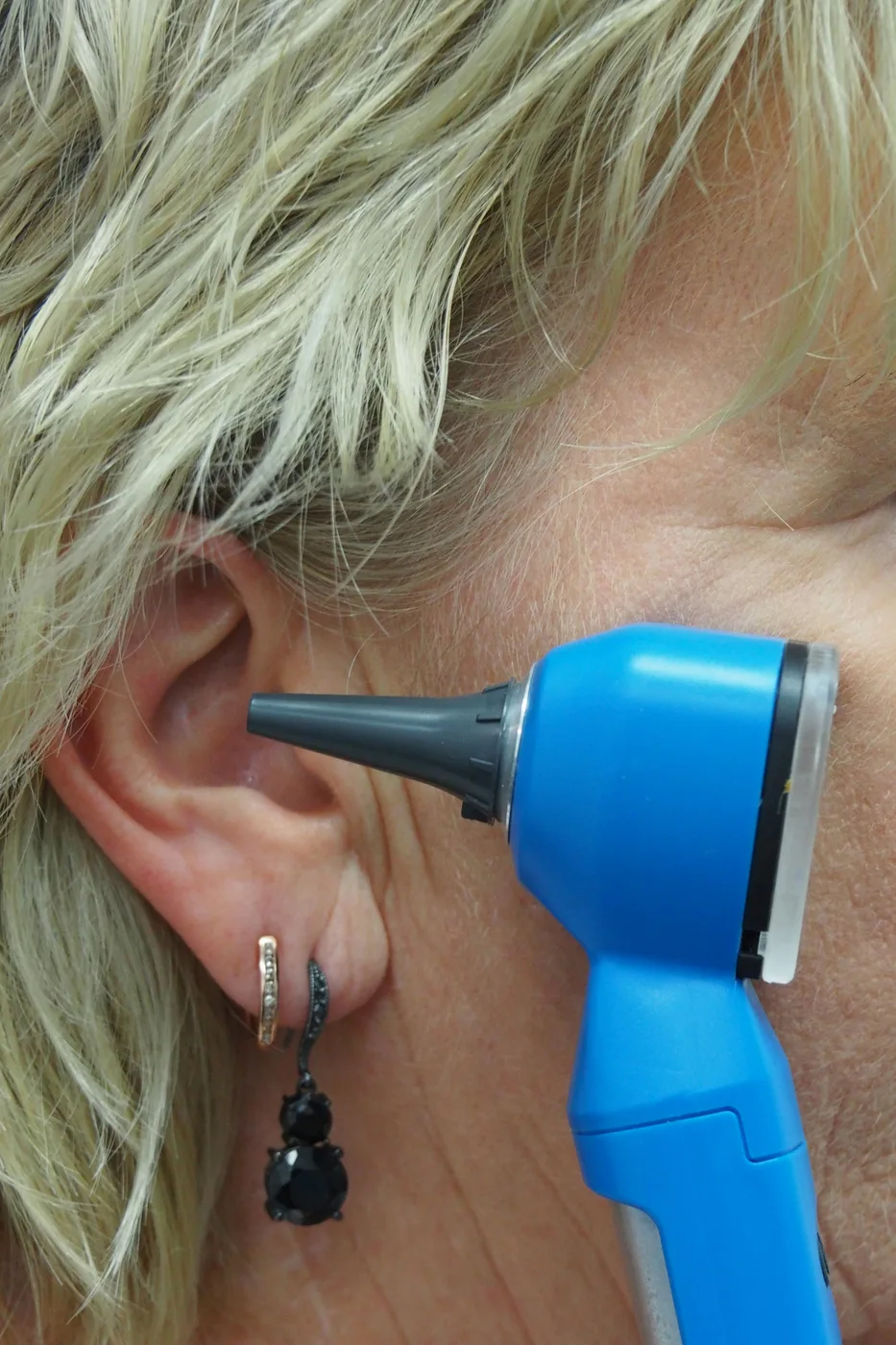
Tinnitus is hearing a sound when there is no outside source producing it. It may sound like ringing, buzzing, humming, hissing, clicking, static, or a whooshing or pulsing sound.
Tinnitus often feels stronger in quiet settings because there is less outside sound competing with it. That is why many people notice it most when trying to rest or fall asleep.
Yes. Tinnitus often appears alongside some degree of hearing loss, even when the hearing change has not felt obvious yet.
Yes, sometimes. Changes in the ear or middle ear can affect how sound is heard and may make ringing or buzzing more noticeable. An Audiologist-led assessment can help clarify whether this is part of the picture.
Hearing aids may help when tinnitus occurs alongside hearing loss. By making sounds around you easier to hear, properly fitted hearing aids may make tinnitus less intrusive. If you already wear hearing aids, your Audiologist can review the fitting and settings. Results vary.
Tinnitus may settle or remain over time. A hearing test can check for accompanying hearing loss, but it cannot predict whether tinnitus will disappear. Discuss persistent or troublesome tinnitus with your physician.
Seek same-day medical care for sudden hearing loss. Tinnitus after a head injury, or with severe dizziness, facial weakness or other sudden neurological symptoms, needs emergency assessment. Pulse-like tinnitus needs prompt medical review. Persistent tinnitus mainly in one ear should be discussed with your physician. Do not wait for a routine hearing appointment when urgent symptoms are present.
A hearing test can help identify whether hearing loss is present. Your Audiologist can explain the findings and provide appropriate tinnitus counselling and practical guidance. Symptoms requiring prompt medical attention should be assessed medically first.
Yes. Our Registered Audiologists can provide appropriate tinnitus counselling as part of hearing assessment and care. We explain tinnitus, discuss practical ways to manage it, and review hearing-aid options when hearing loss is present. More specialised or medical care may be recommended when needed.