
What Is Real-Ear Measurement and Why Does It Matter?
Your hearing aids have been programmed, but how do you know the sound reaching your ears matches what you need? Fitting software gives us a starting estimate. We can then measure the sound inside your ear to check it.
That check is called Real-Ear Measurement, or REM. A thin probe tube measures the output from the hearing aid near the eardrum while test sounds are played.
We compare the measurements with targets based on your hearing test and adjust the settings where appropriate. It is a useful part of fitting hearing aids, alongside comfort, listening needs and your feedback.
Key takeaways
- Fitting software estimates how much sound a hearing aid will deliver.
- REM measures the sound from the hearing aid inside your own ear.
- The measurements help your Audiologist check and adjust the fitting.
- REM does not guarantee perfect hearing or remove every difficulty in noise.
Why the Software Estimate Needs Checking
Hearing-aid software uses your hearing test to calculate starting settings. The software estimates how much sound will reach your eardrum. We can check that estimate by measuring the sound in your own ear.
The size and shape of the canal, the earpiece and its fit all affect how sound reaches the eardrum. Two people with similar hearing results may therefore need different adjustments.
REM provides a measurement of the sound being delivered in your ear. It helps us check whether the software settings are producing the intended result.
What Happens During the Measurement
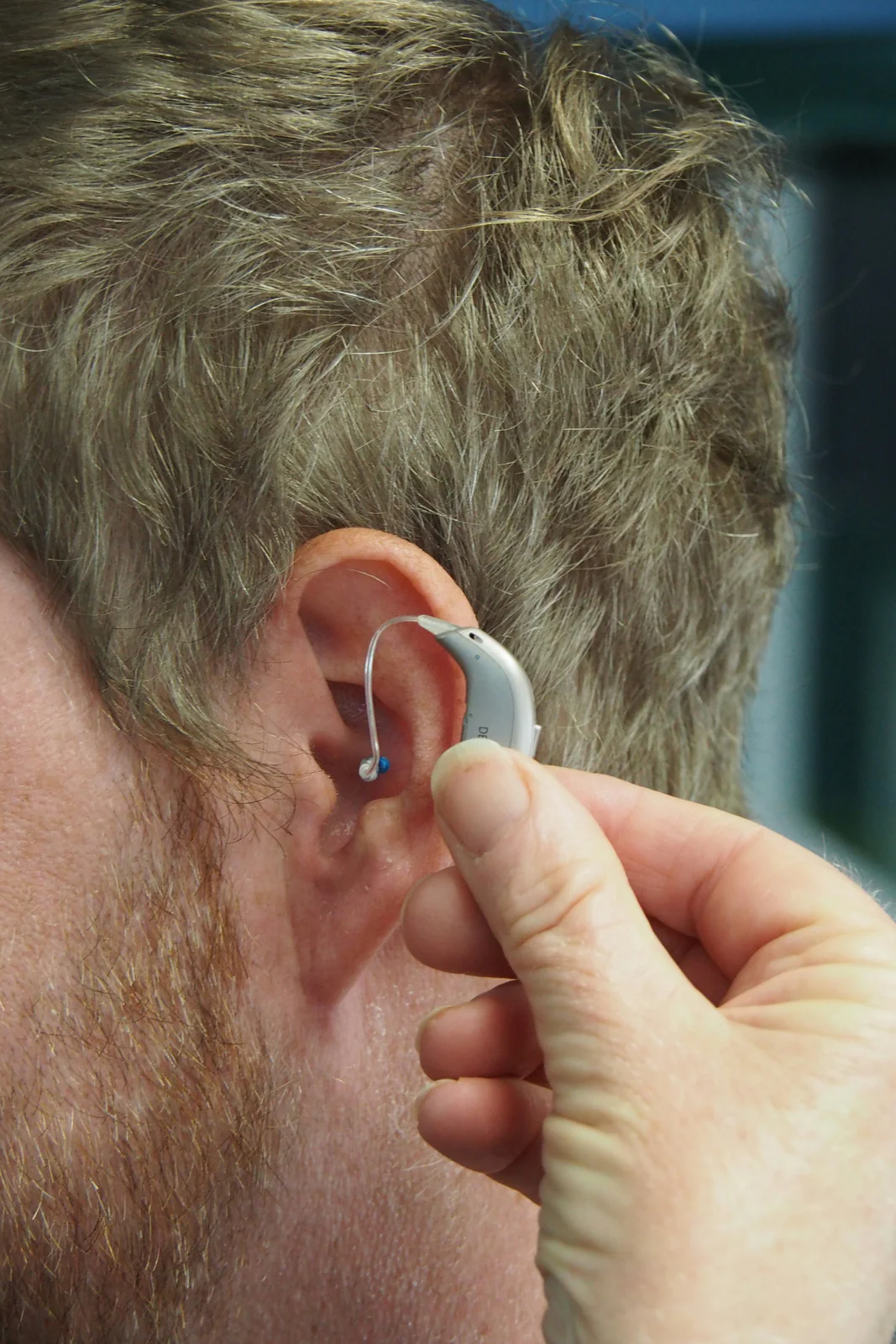
After checking the ear, your Audiologist gently places a thin, flexible probe tube in the canal. The hearing aid sits in position with the tube alongside it.
Speech-like test sounds play through a speaker. The equipment measures sound near the eardrum while the hearing aid is working. Your Audiologist compares those measurements with targets for your hearing results and adjusts the settings as appropriate.
The tube is small, and most people tolerate the measurement well. Tell your Audiologist if you feel discomfort so its position can be checked.
What the Results Tell Us
The measurements help show whether parts of speech are receiving enough amplification and whether output needs adjusting at different pitches or input levels.
Matching a target is part of the fitting process. We also consider your comfort, the hearing aid's limits, the type of hearing loss and how you manage in daily life. An exact target match may not be possible or appropriate at every pitch.
Why It Matters for Conversation
If important speech sounds are too soft, you may miss words. If some sounds are too strong, listening can feel harsh or uncomfortable. Measurements help us make adjustments with better information.
They do not tell the whole story. Understanding speech also depends on your hearing, the speaker, background noise and the listening situation. That is why your experience between appointments remains important.
Does It Matter With More Advanced Hearing Aids?
Yes. Features such as noise management and automatic programs do not remove the need to check the fitting. A more expensive hearing aid still needs settings suited to the person wearing it.
At Puretone, REM is part of our hearing-aid fitting process. We use the measurements alongside your feedback and follow-up appointments.
Can Existing Hearing Aids Be Checked?
A hearing aid review may include REM where appropriate. It can help establish whether the current fitting is close to the intended targets and whether adjustment may help.
Support depends on the model, its condition and access to compatible fitting software. Some hearing aids may need maintenance, repair or a different approach before settings are changed.
What REM Cannot Promise
No hearing aid restores normal hearing. A measured fitting can still take time to get used to, and difficult restaurants or group conversations may remain challenging.
If you are considering hearing aids, ask how the fitting will be checked and what follow-up is included. Knowing those steps helps you understand the care around the hearing aids as well as the technology itself. For the full appointment, see what happens at a hearing aid fitting.
Frequently Asked Questions
The probe tube is thin and flexible, and most people tolerate it well. Tell your Audiologist if you feel discomfort so its position can be checked.
It helps check the sound the hearing aids deliver inside your ears against targets based on your hearing results.
Practices vary. Ask the provider directly how they verify hearing-aid fittings.
Often they can, where appropriate. Any adjustments depend on the model, condition and access to compatible software.
No. It helps guide the fitting, but hearing aids still have limits and your everyday experience remains important.