
What Actually Happens at a Hearing Aid Fitting?
You have chosen hearing aids and your fitting appointment is booked. You may be wondering what the sound will be like, whether they will feel comfortable and how much there is to learn.
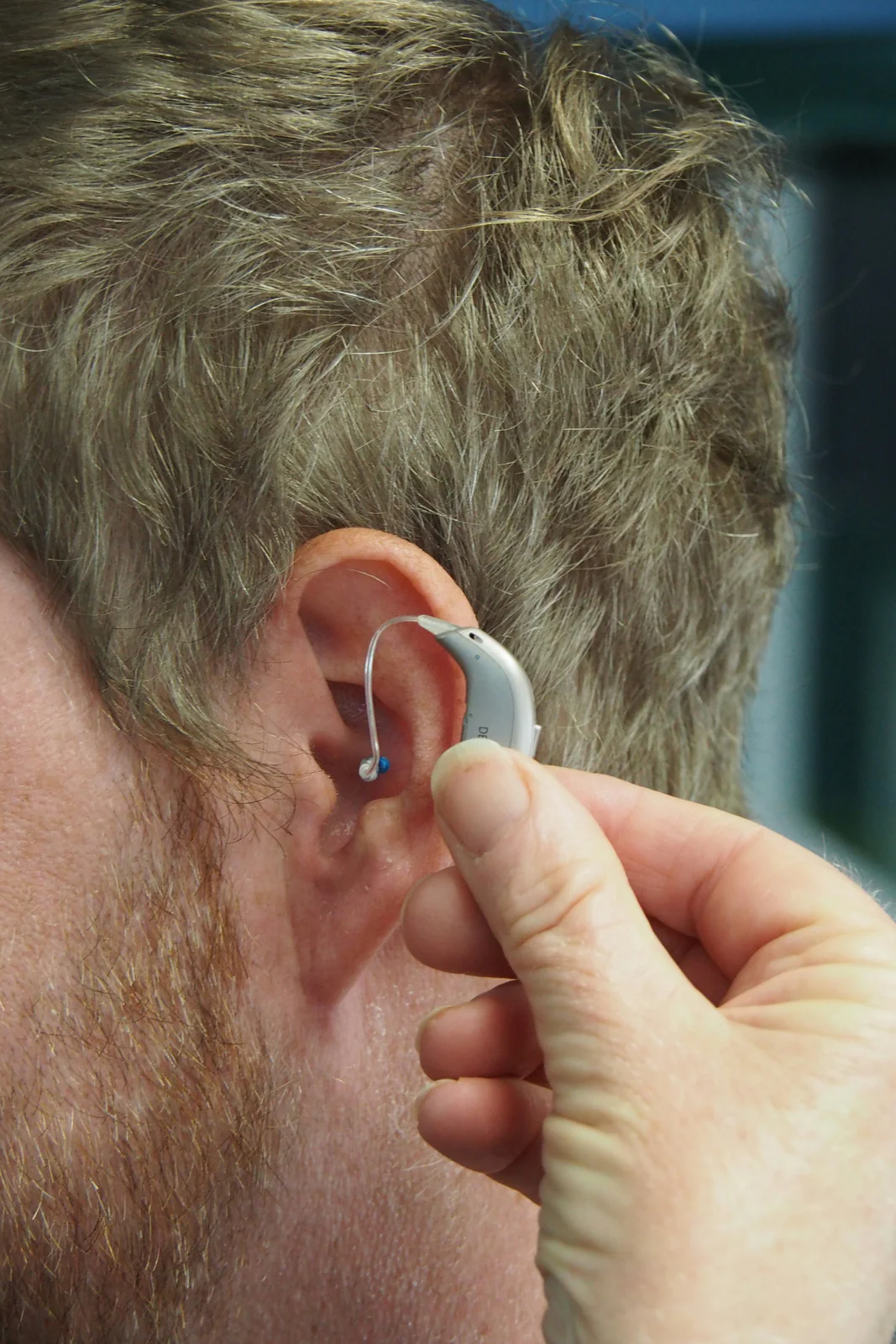
At the fitting, we use your hearing test results to program the hearing aids, measure the sound in your ears and check how the hearing aids sit. We’ll show you how to put them in and care for them, and give you time to practise before you go home.
The appointment is the beginning of using the hearing aids in daily life. Follow-up gives us a chance to review what is working and what needs adjusting.
Key takeaways
- A fitting includes programming, sound measurements and physical comfort checks.
- Your Audiologist explains how to insert, clean and charge the hearing aids or change their batteries.
- Some sounds may be unfamiliar at first. Pain or uncomfortable loudness should be reported.
- Follow-up helps relate the fitting to your experience at home.
Your Hearing Results Guide the Fitting
The starting point is your hearing assessment and the listening difficulties you want help with. Your Audiologist uses those results to choose suitable starting settings.
If your hearing may have changed since the last test, it may need checking before the fitting. Bring up any new symptoms or concerns at the start of the appointment.
Programming the Hearing Aids
The hearing aids connect to fitting software so we can adjust amplification at different pitches and sound levels. Settings also depend on the model and the type of earpiece you use.
Software provides an estimate of what reaches your ear. We then check the sound rather than relying on that estimate alone.
Measuring the Sound in Your Ears
At Puretone, the fitting includes Real-Ear Measurement, often called REM. A thin, flexible tube sits in the ear canal alongside the hearing aid while speech-like test sounds play through a speaker.
The equipment measures the sound near the eardrum. Your Audiologist compares it with targets based on your hearing results and adjusts the settings where appropriate.
This helps us check the fitting in your own ear. We also ask about comfort and sound quality. Measurements and your feedback both contribute to the decisions we make.
Checking Fit and Everyday Handling
We check how the hearing aids and earpieces sit, whether anything feels tight and whether whistling needs attention. Tell us about pressure or discomfort rather than assuming you need to get used to it.
You practise putting the hearing aids in and taking them out. We explain cleaning, filters and either charging or battery changes. If you use compatible phone features, we can discuss how those work too.
It is fine to repeat a step or ask us to write something down. Handling the hearing aids confidently is an important part of the appointment.
What the First Sounds May Be Like
Paper, footsteps, dishes or your own voice may sound different. Hearing aids can make sounds audible that you have not heard clearly for some time, so they may need getting used to. If the sounds seem especially sharp, see why new hearing aids can sound tinny and what to mention at follow-up.
Unfamiliar sound and painful sound are different. If the hearing aids hurt, sound is uncomfortably loud or you cannot manage them, contact the clinic. You do not need to wait for a routine follow-up to report a problem.
Using Them at Home
We discuss a wearing plan suited to you. Start by noticing how conversation sounds in familiar settings and keep a short note of situations that are difficult.
For example, “my own voice sounds boomy” or “the television is clearer, but dinner conversation is still difficult” gives us more to work with than “they do not sound right.”
What Follow-Up Is For
Daily life gives you listening experiences that cannot all be reproduced at the fitting. Follow-up lets us review those experiences, check the hearing aids and make adjustments where useful.
Hearing aids have limits, particularly in background noise. We explain those limits and discuss other practical strategies when needed. Before you leave, make sure you know how to contact us and what the next appointment is for.
Frequently Asked Questions
The time varies with your needs. It includes programming, measurements, comfort checks and practice using the hearing aids. Ask what to allow when booking.
Some sounds may be unfamiliar at first. Adjustment varies, and discomfort or painful loudness should be reported promptly.
It checks the sound from the hearing aids inside your ears and helps guide adjustments based on your hearing results.
It lets us discuss your experience in daily life and check whether settings, fit or handling need further attention.
Yes, if you would like their support. They can help with questions and listen to the explanation with you.