Puretone Hearing Clinic — Registered Audiologists in Surrey and Vancouver

When Should You Upgrade Your Hearing Aids?

Your hearing aids may still turn on, but conversations at family dinners or in restaurants are becoming harder to follow.
The difficulty may come from a change in your hearing, worn parts, settings that need updating, or limitations in the hearing aids themselves. A review can help identify what is happening before you replace anything.
At Puretone, our Registered Audiologists review your hearing, current hearing aids and the situations where listening has become difficult. Your Audiologist can help you decide whether adjustment, repair or replacement makes sense.

Adjustments or repairs may improve your current hearing aids. If newer hearing aids could offer a meaningful benefit, we will explain what would change and why.

  • Registered Audiologist Review
  • Smart Hearing Aids
  • Surrey, White Rock, and Vancouver
A woman holding a small hearing aid near her face on a city street.

When Your Hearing Aids Still Work, but Not Well Enough

Many people adapt without realizing it. They turn the television up, lean in during conversations, rely more on family or begin avoiding noisier places.
If your hearing changes suddenly, see your family doctor immediately or go to the nearest emergency department. Don’t wait for a routine hearing appointment.

Signs It May Be Time for a Review

  • Restaurants, family gatherings, or group conversations feel more tiring than they should
  • Speech feels unclear even though the hearing aids are working
  • Your current hearing profile is different from when the devices were first fitted
  • Repairs, charging issues, or reliability problems keep coming back
  • Whistling, feedback, or instability happens during normal use
  • Phone calls, Bluetooth streaming, or rechargeable features feel outdated
  • Your daily life has become more demanding than your current technology can handle

How Old Are Your Hearing Aids?

  • 0–2 Years: There is no fixed replacement schedule. If relatively new hearing aids are not helping, check whether the fit, settings, maintenance or your hearing has changed.
  • 3–5 Years: Review their performance, reliability and repair history rather than replacing them based on age alone.
  • 6+ Years: Compare older devices with current options if repairs are frequent, performance is limited or your hearing needs have changed.
The useful question is whether your hearing aids still work well enough for your life now: conversations, phone calls, family routines and the sounds that keep you safe.

Repair, Refit, or Upgrade? We Help You Decide Clearly

A hearing aid can sometimes be repaired and still not be the right hearing aid to keep investing in.
Many patients think about upgrading when a hearing aid breaks, its charger fails or a repair quote arrives. The useful question is whether the repair is still worth the cost.
If your hearing aids are out of warranty and need a major repair, the cost can be difficult to justify, especially when the devices are older or no longer meet your listening needs.

Your Audiologist can explain whether repair, adjustment or replacement offers better value for your needs. If newer hearing aids could help, we will discuss their potential benefits and manufacturer warranty. Learn about our hearing aid repair services. Our guide to when to upgrade your hearing aids explains what to compare before deciding.

What Your Audiologist May Check

  • Whether an updated hearing test is needed
  • Speech clarity in quiet and in background noise
  • Current settings and fit, with Real-Ear Measurement where appropriate
  • Listening effort and fatigue in daily situations
  • Comfort, reliability, charging, and repair history
  • Whether current hearing aids should be adjusted, repaired, replaced, or kept as backup
  • Technology limits compared with your current lifestyle
  • A live technology demonstration when appropriate

When Existing Hearing Aids Can Still Be Improved

If the main issue is settings, maintenance or fit, we may be able to improve your current hearing aids. We can explain what support is possible and any applicable fees.
If your hearing aids are too worn, limited or unreliable for your current needs, your Audiologist will explain why replacing them may be worthwhile.

What Has Changed in Modern Hearing Technology?
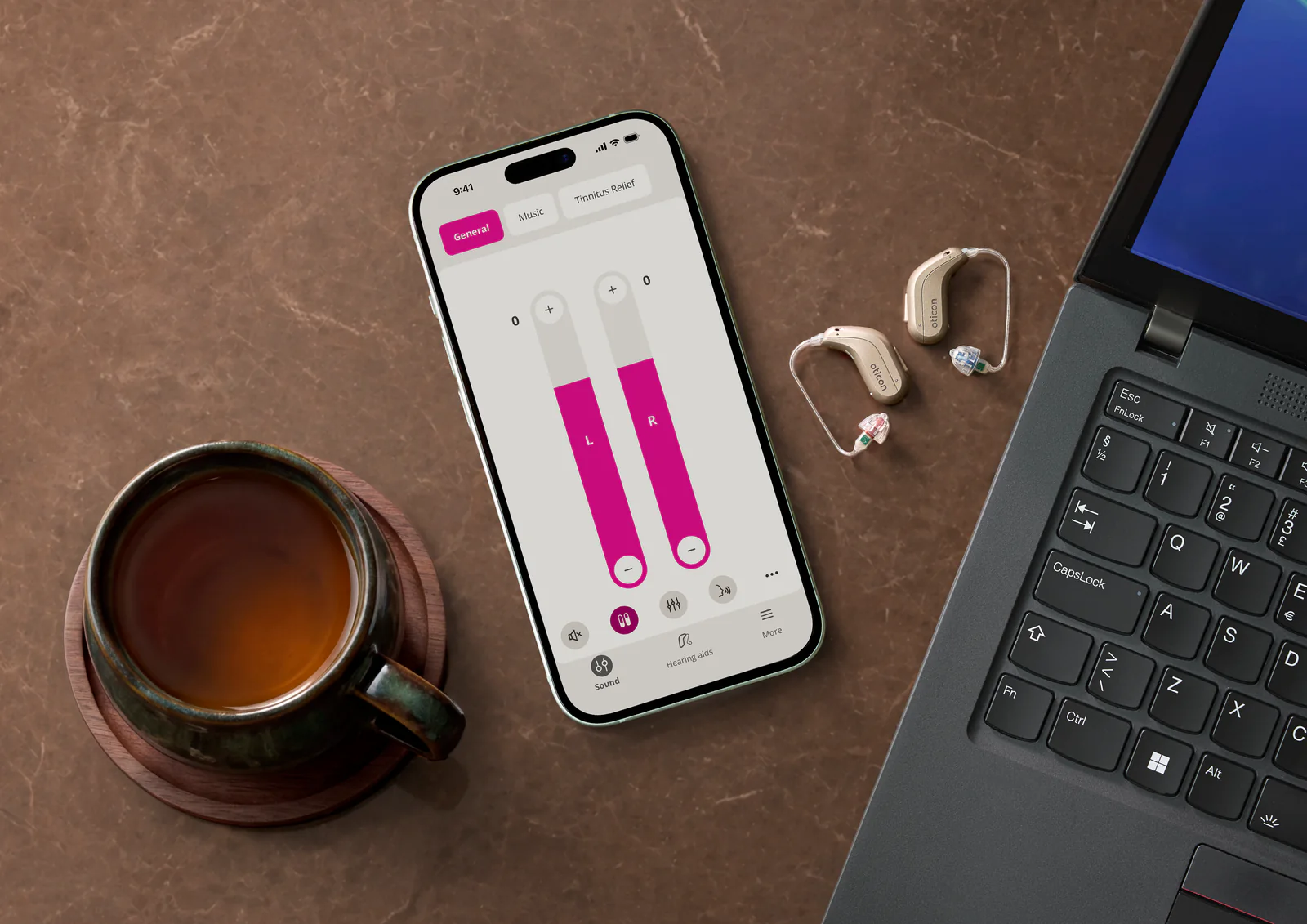
Some older hearing aids offer less flexible noise processing. In busy places, making sound louder does not always make speech clearer.
Hearing aids beside a smartphone, laptop and cup on a table.

What Newer Hearing Aids May Improve

  • Potentially clearer speech in background noise, depending on your hearing and fitting
  • Less listening effort in some demanding situations
  • Rechargeable options that reduce battery handling
  • Bluetooth streaming for compatible phones and media
  • A different style or fit that may improve comfort
  • New manufacturer warranty and potentially better reliability than devices needing frequent repairs

Modern Hearing Aids Can Be Simpler, Not More Complicated

Some people worry that newer hearing aids will be harder to use, with apps, pairing and extra settings to manage.
Newer hearing aids can be easier to use. Some adjust settings automatically, rechargeable options avoid small disposable batteries, and Bluetooth features can be set up to match your preferences.

What Affects the Technology Level You Need

  • Your hearing profile and the hearing situations you find difficult
  • Your listening environments, including group conversations and background noise
  • Phone use, rechargeable options, comfort and your preferences for controls or apps
Whether you currently wear older hearing aids from Oticon, Phonak, Starkey or another major brand, your Registered Audiologist can separate true technology limitations from fixable fitting or maintenance issues.
Newer technology is worth considering when it could improve hearing in the situations that matter to you.

Why Verification Still Matters When You Upgrade

A newer hearing aid alone is not enough. The Audiologist-led hearing aid fitting still has to be accurate.
Where appropriate, we use Real-Ear Measurement to check the sound your hearing aids deliver inside your ear and adjust the settings against targets based on your hearing test.

What Happens to My Old Hearing Aids?

If your older hearing aids still work, we can review whether cleaning, adjustments or keeping them as a backup makes sense. Options depend on the devices and available support.

Helping You Make the Upgrade Decision Clearly

Helping a Loved One Make the Decision

We welcome adult children and spouses into upgrade consultations. Your Registered Audiologist explains the updated findings clearly and helps everyone understand whether the issue is aging technology, hearing change, hearing aid fitting limitations, or a mix of factors.

Making the Upgrade Manageable

If an upgrade is recommended, we can explain extended health benefits, Health Spending Accounts where relevant, and direct billing where available. We also offer 0% financing. Terms and conditions apply. Please speak with our team to discuss the available financing options and details.

Frequently Asked Questions About Upgrading Hearing Aids

The clearest way to know is through an Audiological Assessment and a review of your current hearing aids. If they can still be improved properly, your Audiologist will say so. If they cannot, we explain why an upgrade makes more sense.

There is no fixed replacement schedule. A review is worthwhile when listening becomes harder, the devices become unreliable, repair costs rise, or your hearing needs change.

Often, yes. One of the biggest improvements in newer technology is stronger speech support in noise through better automatic processing and improved background-noise management. It will not make noisy environments effortless, but it can meaningfully reduce listening effort.

We can review hearing aids bought elsewhere and reprogram compatible models when the required software and support are available. A reprogramming fee applies if we reprogram them. You can discuss the fee when you call or attend your appointment, before proceeding.

A review fee may apply depending on the appointment type and the testing or device evaluation required. Our team can discuss the services and any applicable fees before you book.

Sometimes. If your older devices remain reliable and compatible with available support, they may be suitable as backups. We can discuss possible cleaning, adjustments or reprogramming and any applicable fees before proceeding.

No. The right technology level depends on your hearing and daily listening environments. Some patients benefit from higher technology levels, while others do well with different options. We recommend what fits your needs.

Your Audiologist can review your hearing and current devices to see whether the difficulty relates to fitting, settings, repair needs or limitations of the technology. New hearing aids are not always necessary.

After your hearing test, we can usually arrange a demonstration if suitable devices are available and there is enough time. A take-home demonstration may be possible for an agreed period, often one to three weeks. If custom earmoulds are needed, we will discuss this first. The demonstration is separate from the 60-day hearing-aid trial, which starts after purchase.

Yes. We welcome spouses, adult children, and support people. Upgrade decisions are often easier when everyone understands the hearing results, current technology limits, and the reasoning behind the recommendation.

Not quite. An upgrade starts with an assessment of your current hearing and hearing aids, including the fit and, where appropriate, Real-Ear Measurement. We then explain what newer technology might improve.

Find Out Whether Fitting, Repair or New Hearing Aids Make Sense

If your current hearing aids are no longer helping the way they should, a review can show whether better fitting, repair support or newer technology is the right next step.